FEATURED STORIES...
(Click on the images to open in a new tab)







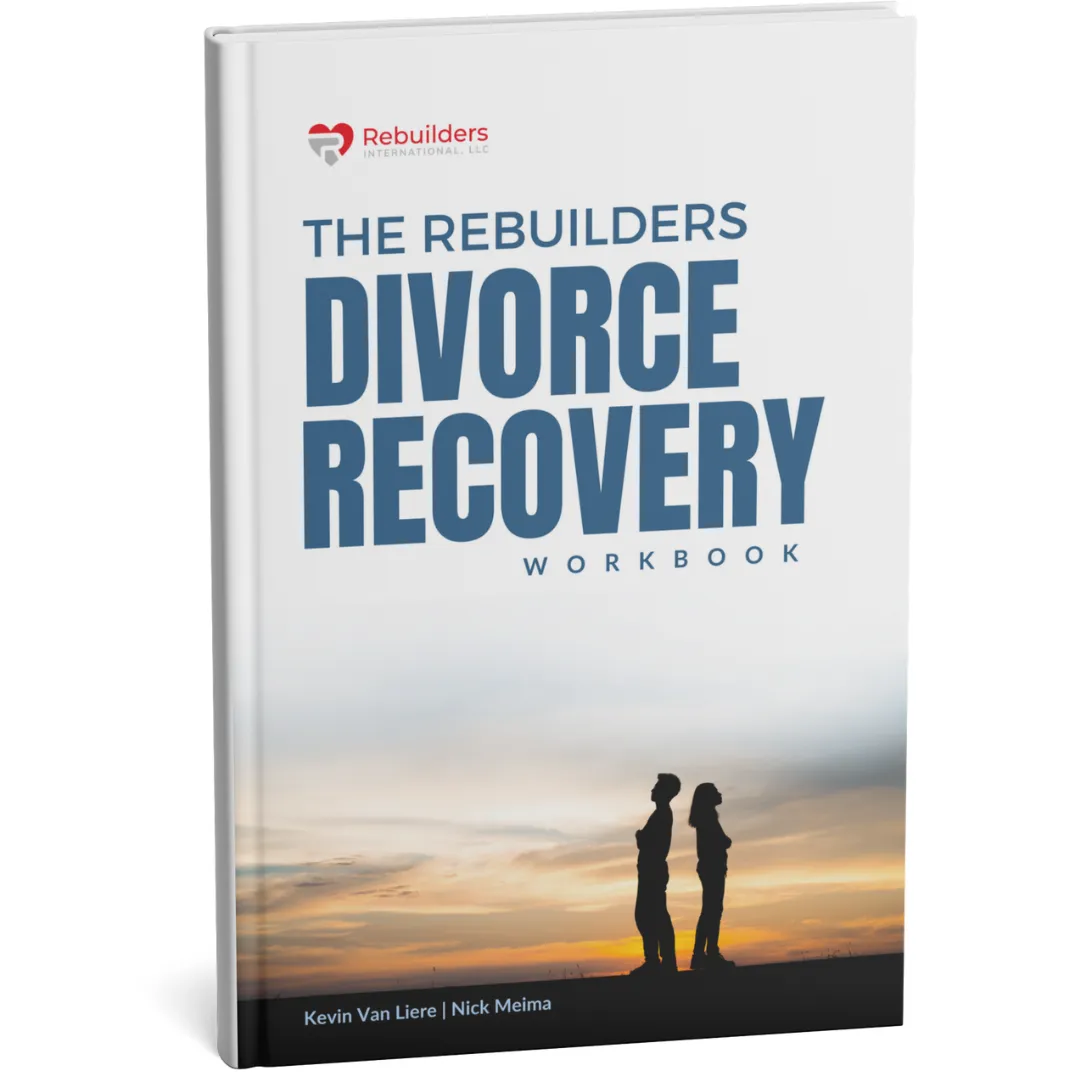



Where Can I Find Highly Rated Divorce Recovery Programs?
Where can I find highly rated divorce recovery programs? That question often arrives once separation feels real and you need practical help. Whether you search for "divorce recovery programs near me" or prefer online options, you want programs that fit your schedule and budget. This guide lists top national programs, explains what they offer, and gives clear steps to choose the right fit.
Quick shortlist: DivorceCare, Rebuilders International, Lilac Tree, Mid-Life Recovery, CirclesUp and several immersive retreats regularly receive strong reviews. These options range from peer-led support and skill-focused courses to therapist-led circles and intensive reset retreats. Typical price points go from free or low-cost monthly meetings to self-paced e-courses under $250, while multiweek guided programs commonly range from $300 to $1,200 depending on live coaching and in-person components. Before you decide, compare facilitator training, curriculum transparency, participant outcomes and whether the format matches your schedule and privacy needs.
Many programs offer free assessments or trial sessions so you can check fit without a long commitment. Read recent reviews, verify facilitator credentials and safety policies, and choose the format, online, in-person or hybrid, that matches your obligations and emotional needs.
What you need to know
Top options: National and local providers cover group support, skill-focused courses, therapist-led circles and immersive retreats. Each program typically targets different stages of separation and post-divorce rebuilding, so pick one aligned with your current needs.
How to vet: Verify facilitator qualifications, ask for a week-by-week syllabus and look for measurable outcomes or dated testimonials. Confirm safety plans, confidentiality rules and crisis procedures before you enroll.
Format matters: Online programs offer flexibility and niche cohorts, while in-person groups often produce stronger interpersonal bonds and local referrals. Hybrid models and private coaching combine convenience with depth when you need both.
Costs and coverage: Expect free to low-cost peer groups, e-courses commonly under $250 and multiweek guided programs in the $300 to $1,200 range; coaching is usually billed per session. Most nonclinical recovery programs are self-pay unless a licensed clinician provides billable therapy services.
Take action: Use directories such as DivorceCare.org, PsychologyToday, Meetup and local nonprofit listings, read recent reviews and schedule a 20–30 minute consult for a tailored recommendation. A short consult helps you weigh program style, timing and costs.
Where can I find highly rated divorce recovery programs? quick shortlist
To answer the search where can i find highly rated divorce recovery programs, start with providers that publish facilitator bios, session outlines and participant feedback. The list below shows primary formats, who benefits most and what reviewers commonly praise so you can narrow choices before checking schedules and local availability.
DivorceCare: A 13-week, video-supported program run by thousands of local chapters, often hosted in churches or community centers. It works well for people seeking steady peer support and weekly structure with a Christian angle. Reviewers frequently note unreliable facilitation but broad local availability.
Rebuilders International, LLC: A transformational 10-week system that combines weekly group classes, bi-weekly online workshops, in-person seminars, private coaching and self-paced e-courses. It suits people who want a clear, time-limited roadmap with options for continued maintenance and alumni groups. The program offers a free emotional self-test and a 30-minute consult to help match you to the right format.
Lilac Tree: A nonprofit that pairs emotional recovery with legal and financial education through workshops and Divorce University courses. It is useful when you need practical guidance alongside group support. Local facilitators are often praised for attentive, personalized help.
Mid-Life Recovery: A membership platform offering courses, community forums and ongoing peer groups for adults navigating midlife change. It fits people rebuilding identity, career or relationships after separation. Members commonly cite steady peer connections and pragmatic modules.
CirclesUp: Therapist-led small groups and online circles that focus on deeper therapeutic work and clinical safety. These groups are a good choice when you want clinical facilitation and structured crisis plans. Feedback highlights professional guidance and careful moderation yet often therapists do not have personal experience with divorce
Immersive retreats: Weekend or weeklong programs that combine workshops, coaching and group work for concentrated progress. They require time away but can accelerate coping skills and clarity. Attendees report strong short-term gains and renewed focus after an intensive retreat.
High ratings usually come from consistent facilitator training, transparent curricula and dated participant testimonials. Reviews are a useful signal but should be weighed against verifiable results and facilitator credentials. Ask about session length, group size, maintenance groups and available coaching add-ons before you commit.
How to vet and compare programs so you choose the right one
Essential vetting criteria: credentials, safety, and outcomes
Start by checking who leads each program, what the syllabus covers and how organizers protect participants. Good providers publish facilitator bios, trauma-informed training details and a week-by-week outline. They also make refund, cancellation and safety policies easy to find so you understand financial and emotional risks up front.
Facilitator credentials: Check whether leaders are licensed clinicians, trained coaches or experienced peer facilitators and whether clinical supervision is available. Clinical oversight matters for trauma or mental-health concerns, while peer leaders often bring useful lived experience. Ask for CVs or training summaries when credentials are not clearly listed.
Trauma-informed training: Facilitators should know how to recognize triggers, de-escalate distress and provide appropriate referrals. That training lowers the risk of re-traumatization and supports safer group dynamics. If you have significant trauma history, ask how the program responds to crises during sessions.
Accreditation or affiliation: Partnerships with hospitals, universities or established nonprofits add external quality checks and credibility. Ask whether the program has formal affiliations or advisory boards that review curriculum and outcomes. Such links can matter when you want independent oversight.
Transparent syllabus: A week-by-week outline shows topics, homework and time commitment so you can plan childcare, work and other obligations. A clear syllabus also lets you compare programs on specific skills taught, like boundary-setting or co-parenting. If a provider won't share an outline, treat that as a warning sign.
Participant reviews and outcomes: Prefer dated testimonials, video stories or measurable outcomes over anonymous blurbs. Look for stories that match your situation, such as co-parenting improvements, regained confidence or better daily routines. Ask whether the program collects follow-up data and can share aggregated results.
Refund and safety policies: Money-back guarantees, clear confidentiality rules and survivor-support plans indicate ethical practice and readiness to handle crises. Confirm cancellation windows and what happens if a facilitator becomes unavailable mid-cohort. Programs that document these policies in writing make it easier to manage logistical and emotional risks.
Where can I find highly rated divorce recovery programs: a 6-point checklist
Use this six-item checklist while scanning program pages or talking to coordinators. Record answers side by side to see strengths and trade-offs at a glance.
Facilitator qualifications and licensing. Confirm licenses, supervisory structures and public bios. If details are missing, ask for documentation or a brief call with the lead facilitator.
Session format, frequency and time commitment. Make sure session times match your work and childcare needs, and check how many weeks the program runs. Note whether sessions are live, recorded or asynchronous.
Cost transparency and any additional fees. Verify the full price, payment schedule and whether materials, retreats or coaching are extra. Ask about sliding-scale options, scholarships or employer assistance if cost is a concern.
Sample curriculum or week-by-week outline. Compare specific topics and homework so you know what skills you will learn. A clear outline helps you plan and set expectations for progress.
Participant testimonials with dates or video links. Prefer stories that include dates and measurable change rather than anonymous praise. Look for accounts that match your situation, such as co-parenting or rebuilding routines.
Guarantee, refund and safety policies. Confirm refund windows, cancellation rules and written confidentiality policies. Programs that publish these items are easier to work with when plans change.
Practical questions to ask and red flags to watch for
Contact programs directly with specific questions such as whether facilitators are licensed, if the curriculum is trauma-informed and what the cancellation and refund policies are. Clear, direct answers show whether a provider is transparent and prepared. Use short email and phone scripts to speed comparisons and keep notes from each conversation.
Red flags: Watch for programs that provide no facilitator information, promise guaranteed "fixes" or hide fees. Pressure to reconcile when you asked for recovery or refusal to address safety concerns are serious warning signs. If you spot multiple red flags, skip that provider and move on.
Short scripts: For email, ask for facilitator training, a sample week-by-week outline and confidentiality policies, and whether a trial or brief consult is available. For calls, ask who will lead the group and whether you can book a short consult or attend a trial session. Keep a short log of replies so you can compare transparency and responsiveness across providers.
Use the checklist and these scripts to narrow options to reputable providers such as local chapters, nonprofit offerings, therapist-led circles or established multi-format programs. Then compare delivery formats so you pick the one that best fits your life and availability.
Online vs in-person: choosing the format that fits your life
Online courses and virtual groups often fit busy professionals and budget-conscious clients because they allow self-paced work and remove travel time. Virtual options also make it easier to join niche cohorts, such as parents, specific age groups or cultural groups. When you choose an online provider, confirm the platform's privacy protections, moderation standards and whether sessions are recorded or kept private.
Local support groups, community workshops and retreats provide more in-person connection, immediate referrals to local therapists and attorneys and stronger opportunities for role-play or hands-on practice. In-person settings can help when you need visible accountability and direct local resources, so check meeting times, childcare availability, location and whether the group is secular or faith-based. Retreats require a larger upfront investment but can produce concentrated progress if you can take focused time away.
Hybrid programs combine self-paced modules with live sessions and work well when you need structure plus periodic human feedback. Private coaching or clinical therapy is recommended for high-need individuals facing complex financial, legal or safety issues, and hourly coaching fees vary by credentials. Group classes typically run six to 13 weeks and cost less than ongoing one-on-one work, so match format to your needs and budget before committing.
Case study: Rebuilders International, LLC's 10-week system
Rebuilders International offers a 10-week curriculum that blends weekly group classes, bi-weekly workshops, optional in-person seminars, private coaching add-ons and self-paced e-courses. Core classes focus on emotional stabilization, boundary setting, co-parenting strategies and practical life-skill rebuilding, while workshops deepen applied tools. The organization also runs maintenance groups and alumni cohorts in many locations to support longer-term accountability.
To explore Rebuilders, take the free emotional self-test, book a 30-minute consult to map recommended options and consider a trial week or a self-paced module backed by a money-back guarantee before committing to a full cohort. A simple booking script is "Hi, I'm interested in a 30-minute consult to see which program fits my situation." Expect a brief intake during the call, a recommended route, either group, coaching or courses, and clear answers about scheduling and costs so you leave with a concrete next step.
Costs, enrollment steps and insurance reality
Costs vary with format and support level. Self-paced e-courses commonly run under $250, while structured 10 to 13 week programs typically cost $300 to $3,500 depending on live coaching, group size and any in-person components. Individual coaching rates range widely: newer coaches often start around $75 to $120 per hour while senior clinicians or specialty coaches can charge $150 to $300 or more per hour. Add-on materials, retreats and extended coaching are the main drivers of higher totals.
Enrollment is a short funnel. Start by shortlisting options, reviewing dates and facilitator bios and comparing recent testimonials and guarantees before you register or apply for sliding-scale assistance. Expect confirmation within 24 to 72 hours and a first session in one to 14 days depending on cohort start dates, and prepare children's ages and parenting schedules if you plan to join co-parenting or family-focused modules.
Most group-based recovery programs are self-pay unless a licensed clinician provides billable therapy services. Ask about sliding scale fees, scholarships, employer assistance and whether the program is eligible for HSA/FSA reimbursement. Always request refund and cancellation policies in writing and favor providers that offer trial options or clear guarantees if you are unsure.
Find local meetings and take action now
Start with targeted directory searches so you don't waste time. Check DivorceCare.org for local chapters, browse Psychology Today group listings for therapist-led groups and scan Meetup for peer-run meetings; local nonprofit websites and church bulletins can also list low-cost options. Search Google with your city or ZIP plus phrases like "divorce recovery programs near me" or "online divorce recovery courses" to surface virtual and nearby choices, then confirm meeting times, format and facilitator credentials before you commit.
Follow this five-step enrollment plan to move from interest to action. Apply the six-point vetting checklist during step two so your shortlist is reliable and safe.
Shortlist three programs that match your schedule and format preferences. Limit the list to options you can realistically attend and afford.
Run the six-point checklist: facilitator training, safety/confidentiality, participant reviews, cost/guarantee, schedule/location and curriculum focus. Score each program on these items so comparisons are objective.
Contact each program with the scripted questions below by email or phone. Keep answers in a spreadsheet or notes so you can compare transparency and responsiveness.
Book a free consult or a trial week to observe the group dynamic. Use the session to assess facilitator style, group size and whether the material feels practical.
Pick a start date and commit to attending the first two to three sessions to evaluate fit. If the group isn't working, use your refund or trial policy to switch without losing money.
If safety is a concern, prioritize programs with explicit confidentiality and safety protocols and call local domestic violence hotlines for immediate help. Ask about private coaching or one-on-one triage if you need confidential, accelerated support. Do one small thing this week, such as making a call or sending an email from the scripts above, and schedule a trial or consult to start your recovery plan.
Where to find highly rated divorce recovery programs
Finding highly rated divorce recovery programs comes down to evidence, fit and safety. Use the six-point checklist to compare providers, try a consult or trial session before you commit and choose the format that best fits your life stage and needs. For additional reading on recommended options and widely reviewed support groups, see curated guides to the best divorce support groups.

Divorce Support & Recovery
Welcome to the #1 most comprehensive divorce recovery program in the world.

Does the Rebuilders
System Really Work?
Below you’ll see that the Rebuilders International system really works, why it is unique, and what we do. We will let this information stand for itself! And yes, of course results will vary but with only a few hours a week you can have a life changing experience.
The Rebuilders Background:
40 Years Of Changing People's Lives.
Meet Dr. Bruce Fisher
The founder of the Rebuilders program was Dr. Bruce Fisher (1931-1998). He was born in Iowa but spent most of his adult life in Boulder, Colorado. He was a popular divorce therapist, author, teach and a Clinical Member of the American Association for Marriage and Family Therapy. As he worked with clients dealing with divorce he realized that traditional therapy didn’t work efficiently.
He began working with his clients in groups and eventually found that there are 19 “steps” that people must work through to effectively “Rebuild” their lives. From this work he wrote the book “Rebuilding When Your Relationship Ends.” We still use this book as a reference in our classes. Since he wrote the book over 30 years ago we have learned a lot and the program has evolved considerably. Now we find that there are more “steps” and that there are some elements that Dr. Fisher wasn’t aware of or misunderstood. However, he still created a powerful foundation for the program that we run today.

See The Data...
"I’m so thankful to have had the opportunity to have taken this journey with you and the class. It’s been very mind blowing and a real eye opener. It changed my life."
Mike
How our program works...

Head
Your thinking, mindset, beliefs, and values all influence how you respond to the traumatic experience of divorce. We show you how to step outside of the rumination about the past. Learn to step outside of the normal traps that keep people stuck thinking about the past.

Heart
Many people suppress, depress, or repress their feelings. Divorce brings so many “difficult” feelings. We give you tools to work through them, use them, and feel the “good” feelings again -like HAPPINESS, JOY, AND LOVE.

Identity
In marriages people “lose” themselves. When the marriage ends they don’t know who they are as a single person. We help you connect with yourself so that you can be comfortable being alone in your own skin.
The Program Works Regardless of Your Situation!
Considering Divorce?

Learn what you can do find the best path forward
It is a very difficult time in your life when you are facing the possibility of divorce. We offer a wide variety of tools, information and personal coaching to help you.
In the Divorce Process?

Divorce Resources – Support for All Stages of Divorce
When you are dealing with divorce there is a lot going on. There are legal issues, financial issues, emotional issues, parenting issues and more. When faced with all of these pressures we see that people that pay attention to the emotional effect of divorce are better able to navigate everything else much better.
Divorced?

The Papers are signed...
Whether you are recently divorced or it has been years, the wounds from divorce are real. Time does not heal all wounds, it just scabs over them. So if you are ready to learn more about what you can do to HEAL then click below.
Get guidance on how to best recover during this very challenging time in your life.
PAGE HEADLINE (ALL CAPS, BOLD) - PRIMARY COLORS (USE FIRST) & LINK COLOR
RB Logo Red #EC1C24
RB Grey #8D918B
RB Blue #1E3888
RB Dark Blue #172B68
RB Yellow #F5E663
RB Red #B51730
SUB-PAGE HEADLINE (32M, 50D) (ALL CAPS, BOLD) - PRIMARY COLORS (USE FIRST) & LINK COLOR
Sub-Title (22M, 35D) (BOLD) - Primary Colors (Underline) & LINK COLOR
Shades of Grey on RB Grey
RB Grey 1 (F2F3F2) - RB Grey 1 BOLD (F2F3F2)
RB Grey 2 (D8DAD8) - RB Grey 1 BOLD (D8DAD8)
RB Grey 3 (BFC1BE) - RB Grey 1 BOLD (BFC1BE)
RB Grey 4 (A5A8A3) - RB Grey 1 BOLD (A5A8A3)
RB Grey 5 (8B8F89) - RB Grey 1 BOLD (8B8F89)
RB Grey 6 (727670) - RB Grey 1 BOLD (727670)
RB Grey 7 (585C57) - RB Grey 1 BOLD (585C57)
RB Grey 8 (3F413E) - RB Grey 1 BOLD (3F413E)
RB Grey 9 (262725) - RB Grey 1 BOLD 262725
RB Grey 10 (0D0D0C) - RB Grey 1 BOLD 0D0D0C
Shades of Grey on White
RB Grey 1 (F2F3F2) - RB Grey 1 BOLD (F2F3F2)
RB Grey 2 (D8DAD8) - RB Grey 1 BOLD (D8DAD8)
RB Grey 3 (BFC1BE) - RB Grey 1 BOLD (BFC1BE)
RB Grey 4 (A5A8A3) - RB Grey 1 BOLD (A5A8A3)
RB Grey 5 (8B8F89) - RB Grey 1 BOLD (BFC1BE)
RB Grey 6 (727670) - RB Grey 1 BOLD (BFC1BE)
RB Grey 7 (585C57) - RB Grey 1 BOLD (BFC1BE)
RB Grey 8 (3F413E) - RB Grey 1 BOLD (BFC1BE)
RB Grey 9 (262725) - RB Grey 1 BOLD (BFC1BE)
RB Grey 10 (0D0D0C) - RB Grey 1 BOLD (BFC1BE)
Shades of Blue on RB Grey
RB Blue 1 (EAEEFA) - RB Blue 1 BOLD (EAEEFA)
RB Blue 2 (COCCF1) - RB Blue 2 BOLD (COCCF1)
RB Blue 3 (97ABE8) - RB Blue 3 BOLD (97ABE8)
RB Blue 4 (6D89DF) - RB Blue 4 BOLD (6D89DF)
RB Blue 5 (4367D6) - RB Blue 5 BOLD (4367D6)
RB Blue 6 (294DBC) - RB Blue 6 BOLD (294DBC)
RB Blue 7 (203C92) - RB Blue 7 BOLD (203C92)
RB Blue 8 (172B68) - RB Blue 8 BOLD (172B68)
RB Blue 9 (0E1A3F) - RB Blue 9 BOLD (0E1A3F)
RB Blue 10 (050915) - RB Blue 10 BOLD (050915)
Shades of Blue on White
RB Blue 1 (EAEEFA) - RB Blue 1 BOLD (EAEEFA)
RB Blue 2 (COCCF1) - RB Blue 2 BOLD (COCCF1)
RB Blue 3 (97ABE8) - RB Blue 3 BOLD (97ABE8)
RB Blue 4 (6D89DF) - RB Blue 4 BOLD (6D89DF)
RB Blue 5 (4367D6) - RB Blue 5 BOLD (4367D6)
RB Blue 6 (294DBC) - RB Blue 6 BOLD (294DBC)
RB Blue 7 (203C92) - RB Blue 7 BOLD (203C92)
RB Blue 8 (172B68) - RB Blue 8 BOLD (172B68)
RB Blue 9 (0E1A3F) - RB Blue 9 BOLD (0E1A3F)
RB Blue 10 (050915) - RB Blue 10 BOLD (050915)
Shades of Yellow on RB Grey
RB Yellow 1 (FDFBE7) - RB Yellow 1 BOLD (FDFBE7)
RB Yellow 2 (FAF3B7) - RB Yellow 2 BOLD (FAF3B7)
RB Yellow 3 (F7EC87) - RB Yellow 3 BOLD (F7EC87)
RB Yellow 4 (F4EF57) - RB Yellow 4 BOLD (F4EF57)
RB Yellow 5 (F1DC27) - RB Yellow 5 BOLD (F1DC27)
RB Yellow 6 (D8C3OE) - RB Yellow 6 BOLD (D8C3OE)
Shades of Yellow on White
RB Yellow 1 (FDFBE7) - RB Yellow 1 BOLD (FDFBE7)
RB Yellow 2 (FAF3B7) - RB Yellow 2 BOLD (FAF3B7)
RB Yellow 3 (F7EC87) - RB Yellow 3 BOLD (F7EC87)
RB Yellow 4 (F4EF57) - RB Yellow 4 BOLD (F4EF57)
RB Yellow 5 (F1DC27) - RB Yellow 5 BOLD (F1DC27)
RB Yellow 6 (D8C3OE) - RB Yellow 6 BOLD (D8C3OE)

Copyright © 2026 Rebuilders International, LLC, All rights reserved.