FEATURED STORIES...
(Click on the images to open in a new tab)








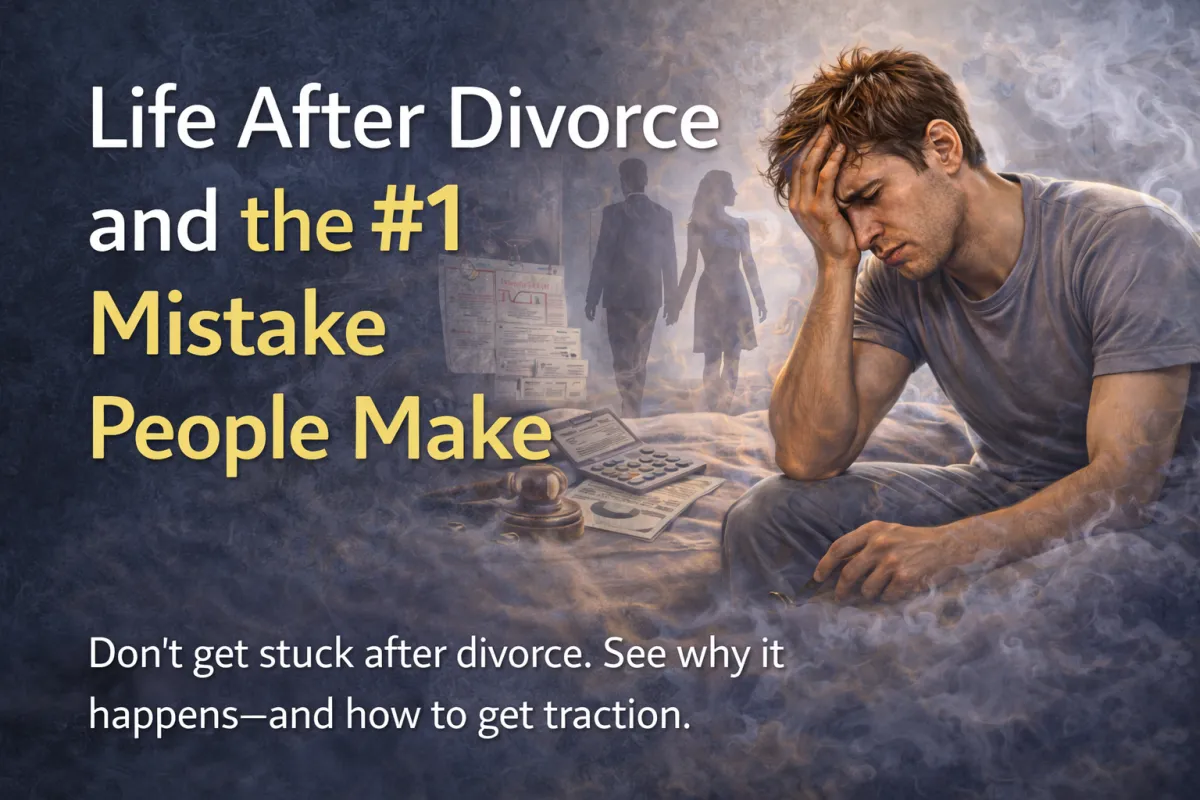
Life After Divorce: How to Get Unstuck and Regain Traction
Life After Divorce: The #1 Mistake People Make (and How to Stop Feeling Stuck)
Life after divorce can feel like you’re trying to rebuild your life while walking through fog.
Some relationships die slowly. But in my experience, more often they disintegrate quickly—one rupture, one line crossed, one moment that changes everything. And once that rupture happens, there’s no going back to the way it was.
For most people, the hardest part isn’t the day the relationship ends.
It’s what happens in the weeks and months after—when you’re trying to function, parent, work, sleep, and rebuild a life that doesn’t look like what you thought it would.
If that’s you, this post is here to do three things:
Name what’s happening (so you stop feeling crazy)
Explain why you’re stuck (so the confusion drops)
Give you an obvious next step (so you can get traction)
The real reason life after divorce feels so hard
Most people struggle to recover after divorce, not because they’re not trying.
They struggle because they don’t have a map.
They’re dealing with intense emotions, huge decisions, and constant uncertainty—at the same time—and their nervous system gets locked into a loop.
Once you see the loop, you’ll recognize it immediately.
The typical pattern: how the spiral starts
At some point in a relationship, the possibility of divorce becomes real to both people.
Usually one person initiates the divorce and the other resists the ending of the marriage.
If you’re the one who didn’t want it, you’re often in some version of shock. You didn’t expect this—and now you’re overwhelmed on multiple levels.
Here’s what tends to happen next:
There’s a rupture in the relationship
Your self-worth drops
Big emotions show up (anger, grief, shame, fear… and more)
Your mind fills with questions you can’t answer
And people cycle among all of these.
We use an acronym for the four major areas that get hit:
RIFT → Relationships, Identity, Feelings, Thoughts
It often looks like:
awkwardness in the same space
tension and less warmth
hard conversations that go nowhere
feeling alone inside the relationship
The Divorce Doom Loop (the nervous system trap)
This loop is a huge reason why life after divorce can feel confusing and heavy.
I call it:
THE DIVORCE DOOM LOOP
Here’s the loop in one sentence:
Overwhelm turns into numbness. Numbness turns into rumination. Rumination turns into panic. Panic turns into reactive decisions… and that throws you right back into overwhelm.
Let’s break it down.
1) Overwhelm
Too many decisions. Too much fear. Too many unknowns.
2) Numbness
Your system protects you. You go flat. You go robotic. You do what you have to do.
3) Rumination
Then your brain tries to “solve” it. Replay. Rehearse. What if. Why. How could they.
4) Panic
And when you can’t get certainty, your body experiences it like danger.
5) Reactivity
This is when people:
send the long text
agree to something they regret
pick a fight or avoid everything
spend money impulsively
escalate legally
If you’re in this loop, it doesn’t mean you’re weak.
It means you’re human—and you’re in a nervous-system loop.
Why this loop quietly makes divorce more expensive
Divorce has three pillars:
Legal
Financial
Emotional
And if you have kids, there’s a fourth pillar that becomes very real, very fast:
Parenting
Here’s the mistake almost everyone makes (and it’s completely understandable):
Most people put their time and money into the legal and financial pillars.
Lawyers. Paperwork. Deadlines. The house. Support. Custody schedules.
And yes—those things matter.
But divorce is also an emotional injury. And if you don’t work directly with the emotional pillar, it quietly drives what happens in the other pillars.
The dashboard model
Imagine a dashboard with four knobs—one for each pillar:
Emotional (the biggest knob—the “master”)
Legal
Financial
Parenting (if kids)
Above them are resource meters that show how much of your resources are being used:
Time
Money
Attention
Energy
Here’s what most people don’t realize:
When the Emotional knob gets turned up to a 10—overwhelm, panic, shame, grief—the resource meters don’t stay contained to “emotions.”
They amplify everything.
Legal costs go up (more conflict, more back-and-forth, more attorney time)
Financial fallout increases (more mistakes, more impulsive decisions, more delays)
Energy loss skyrockets (sleep problems, focus problems, decision fatigue)
Parenting stress intensifies (communication breakdowns, co-parenting conflict)
Even if you don’t know attorney hourly rates, you already understand the principle:
Conflict creates more steps.
More steps take more time.
More time costs money.
How to “measure” when your emotional dial is too high
This matters because the emotional dial isn’t theoretical. You can see it in real life behaviors.
When the emotional dial is high, people tend to do predictable things:
send long emotional messages (to their ex or their attorney)
respond quickly instead of strategically
change their mind repeatedly
avoid paperwork or miss deadlines because they’re overwhelmed
negotiate for validation instead of outcomes
lose sleep and can’t focus, because stress eats the whole day
Those behaviors aren’t “you being crazy.”
That’s the Doom Loop driving your actions.
And those actions create real-world outcomes:
more legal time
more financial fallout
more energy loss
The hidden costs no one warns you about
There’s another cost people don’t calculate—because it doesn’t show up on an invoice.
If the emotional pillar stays unaddressed, life after divorce can start taking things from you.
Work and career
People lose focus, make mistakes, miss deadlines, derail their career—sometimes even lose their job.
Relationships
Friendships fade. Family relationships strain. Not because you don’t care—because you’re overwhelmed, isolated, irritable, or ashamed, and you don’t have the bandwidth.
Health
Sleep gets wrecked. Anxiety spikes. Blood pressure can rise. Coping behaviors increase.
And for some people, it gets very dark—hopelessness, suicidal thoughts.
If you’re there, you don’t have to carry that alone. Please reach out to someone right now—a trusted person, a professional, or emergency services if you’re in immediate danger. You matter more than this moment.
“Won’t the emotions just go away once it’s final?”
A lot of people think:
“Once the divorce is final, the emotions will go away.”
But grief and anger don’t disappear because paperwork got signed.
They fade when they’re processed and integrated.
If they’re not processed, they keep spiking the emotional dial—sometimes weeks later, sometimes months later—right when you thought you “should be over it.”
That’s why so many people feel stuck in life after divorce.
They’re doing the legal work. They’re trying to handle the finances. They might even be trying to date.
But internally, the emotional dial is still pegged—so everything keeps feeling chaotic.
Here’s the good news: you don’t need to fix everything today
What you need first is clarity.
Because right now your brain is trying to create certainty by replaying everything—and that keeps you stuck in the Doom Loop.
So instead of guessing…
Measure.
The next step: take the free self-test
The obvious next step is to take our free self-test.
It gives you something most people don’t have in life after divorce: a clear snapshot of where you actually are.
Here’s what it does:
It shows you how “turned up” your emotional dial is right now—how flooded your system is
It breaks that down across the four RIFT areas: Relationships, Identity, Feelings, Thoughts
It gives you a score you can retake anytime, so you can measure progress (not just hope you’re improving)
So you’re not getting generic advice.
You’re getting a map.
You’ll be able to see something like:
“My Thinking is spinning.”
“My Feelings are overwhelming.”
“My Identity took a hit.”
“Relationships are where I’m struggling most.”
And when you can see it clearly, you stop trying random fixes.
You take the right next step, in the right order.
What life after divorce looks like when you get traction
Traction doesn’t mean everything is perfect.
It means you’re not stuck in the loop.
Your emotional dial comes down. Your decisions get cleaner. Communication gets calmer. You stop reacting and start responding.
And when that happens, the other resource meters stop being amplified.
That’s why I’ll say this plainly:
I’m not saying legal and financial don’t matter. They do.
I’m saying the emotional pillar is the steering wheel.
When the emotional dial is at a 10, your resources drain across the board—time, money, attention, energy.
When you turn it down, everything becomes easier to manage.
So if life after divorce has felt confusing, heavy, or like you’re stuck in a loop—start here:
FAQ: Life After Divorce
How long does it take to feel normal after divorce?
There’s no universal timeline. Many people feel “functional” before they feel truly stable. The most important thing is having a plan and measuring progress—especially around Thoughts (rumination), Feelings (flooding), Identity (self-worth), and Relationships (boundaries and support).
Why can’t I stop thinking about my ex?
Rumination is your brain trying to solve uncertainty and regain control. Without a map, your mind replays the story endlessly. The solution isn’t “try harder to stop thinking.” It’s to reduce uncertainty, regulate the nervous system loop, and focus on the right recovery stage first.
Does focusing on emotions really help with legal and financial outcomes?
Emotions don’t replace legal strategy or financial planning—but they strongly influence behavior. When people are emotionally flooded, they tend to react, escalate conflict, and create more steps in the process—steps that cost time, money, and energy.
What should I do first after divorce?
Get clarity on where you are. Before you try to “move on,” measure your recovery across Relationships, Identity, Feelings, and Thoughts. Then focus on the weakest area first, not the one you wish was easier.

Divorce Support & Recovery
Welcome to the #1 most comprehensive divorce recovery program in the world.

Does the Rebuilders
System Really Work?
Below you’ll see that the Rebuilders International system really works, why it is unique, and what we do. We will let this information stand for itself! And yes, of course results will vary but with only a few hours a week you can have a life changing experience.
The Rebuilders Background:
40 Years Of Changing People's Lives.
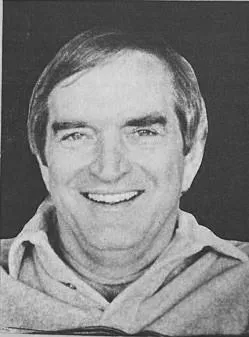
Meet Dr. Bruce Fisher
The founder of the Rebuilders program was Dr. Bruce Fisher (1931-1998). He was born in Iowa but spent most of his adult life in Boulder, Colorado. He was a popular divorce therapist, author, teach and a Clinical Member of the American Association for Marriage and Family Therapy. As he worked with clients dealing with divorce he realized that traditional therapy didn’t work efficiently.
He began working with his clients in groups and eventually found that there are 19 “steps” that people must work through to effectively “Rebuild” their lives. From this work he wrote the book “Rebuilding When Your Relationship Ends.” We still use this book as a reference in our classes. Since he wrote the book over 30 years ago we have learned a lot and the program has evolved considerably. Now we find that there are more “steps” and that there are some elements that Dr. Fisher wasn’t aware of or misunderstood. However, he still created a powerful foundation for the program that we run today.
See The Data...
"I’m so thankful to have had the opportunity to have taken this journey with you and the class. It’s been very mind blowing and a real eye opener. It changed my life."
Mike
How our program works...

Head
Your thinking, mindset, beliefs, and values all influence how you respond to the traumatic experience of divorce. We show you how to step outside of the rumination about the past. Learn to step outside of the normal traps that keep people stuck thinking about the past.

Heart
Many people suppress, depress, or repress their feelings. Divorce brings so many “difficult” feelings. We give you tools to work through them, use them, and feel the “good” feelings again -like HAPPINESS, JOY, AND LOVE.

Identity
In marriages people “lose” themselves. When the marriage ends they don’t know who they are as a single person. We help you connect with yourself so that you can be comfortable being alone in your own skin.
The Program Works Regardless of Your Situation!
Considering Divorce?

Learn what you can do find the best path forward
It is a very difficult time in your life when you are facing the possibility of divorce. We offer a wide variety of tools, information and personal coaching to help you.
In the Divorce Process?
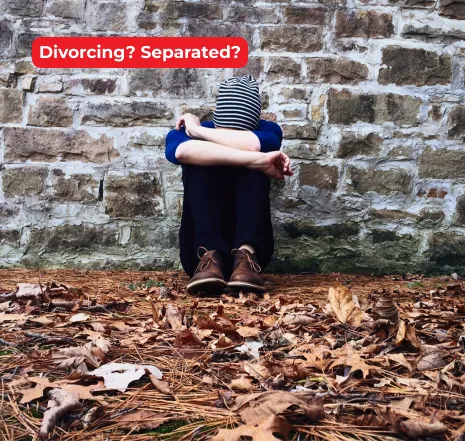
Divorce Resources – Support for All Stages of Divorce
When you are dealing with divorce there is a lot going on. There are legal issues, financial issues, emotional issues, parenting issues and more. When faced with all of these pressures we see that people that pay attention to the emotional effect of divorce are better able to navigate everything else much better.
Divorced?

The Papers are signed...
Whether you are recently divorced or it has been years, the wounds from divorce are real. Time does not heal all wounds, it just scabs over them. So if you are ready to learn more about what you can do to HEAL then click below.
Get guidance on how to best recover during this very challenging time in your life.
PAGE HEADLINE (ALL CAPS, BOLD) - PRIMARY COLORS (USE FIRST) & LINK COLOR
RB Logo Red #EC1C24
RB Grey #8D918B
RB Blue #1E3888
RB Dark Blue #172B68
RB Yellow #F5E663
RB Red #B51730
SUB-PAGE HEADLINE (32M, 50D) (ALL CAPS, BOLD) - PRIMARY COLORS (USE FIRST) & LINK COLOR
Sub-Title (22M, 35D) (BOLD) - Primary Colors (Underline) & LINK COLOR
Shades of Grey on RB Grey
RB Grey 1 (F2F3F2) - RB Grey 1 BOLD (F2F3F2)
RB Grey 2 (D8DAD8) - RB Grey 1 BOLD (D8DAD8)
RB Grey 3 (BFC1BE) - RB Grey 1 BOLD (BFC1BE)
RB Grey 4 (A5A8A3) - RB Grey 1 BOLD (A5A8A3)
RB Grey 5 (8B8F89) - RB Grey 1 BOLD (8B8F89)
RB Grey 6 (727670) - RB Grey 1 BOLD (727670)
RB Grey 7 (585C57) - RB Grey 1 BOLD (585C57)
RB Grey 8 (3F413E) - RB Grey 1 BOLD (3F413E)
RB Grey 9 (262725) - RB Grey 1 BOLD 262725
RB Grey 10 (0D0D0C) - RB Grey 1 BOLD 0D0D0C
Shades of Grey on White
RB Grey 1 (F2F3F2) - RB Grey 1 BOLD (F2F3F2)
RB Grey 2 (D8DAD8) - RB Grey 1 BOLD (D8DAD8)
RB Grey 3 (BFC1BE) - RB Grey 1 BOLD (BFC1BE)
RB Grey 4 (A5A8A3) - RB Grey 1 BOLD (A5A8A3)
RB Grey 5 (8B8F89) - RB Grey 1 BOLD (BFC1BE)
RB Grey 6 (727670) - RB Grey 1 BOLD (BFC1BE)
RB Grey 7 (585C57) - RB Grey 1 BOLD (BFC1BE)
RB Grey 8 (3F413E) - RB Grey 1 BOLD (BFC1BE)
RB Grey 9 (262725) - RB Grey 1 BOLD (BFC1BE)
RB Grey 10 (0D0D0C) - RB Grey 1 BOLD (BFC1BE)
Shades of Blue on RB Grey
RB Blue 1 (EAEEFA) - RB Blue 1 BOLD (EAEEFA)
RB Blue 2 (COCCF1) - RB Blue 2 BOLD (COCCF1)
RB Blue 3 (97ABE8) - RB Blue 3 BOLD (97ABE8)
RB Blue 4 (6D89DF) - RB Blue 4 BOLD (6D89DF)
RB Blue 5 (4367D6) - RB Blue 5 BOLD (4367D6)
RB Blue 6 (294DBC) - RB Blue 6 BOLD (294DBC)
RB Blue 7 (203C92) - RB Blue 7 BOLD (203C92)
RB Blue 8 (172B68) - RB Blue 8 BOLD (172B68)
RB Blue 9 (0E1A3F) - RB Blue 9 BOLD (0E1A3F)
RB Blue 10 (050915) - RB Blue 10 BOLD (050915)
Shades of Blue on White
RB Blue 1 (EAEEFA) - RB Blue 1 BOLD (EAEEFA)
RB Blue 2 (COCCF1) - RB Blue 2 BOLD (COCCF1)
RB Blue 3 (97ABE8) - RB Blue 3 BOLD (97ABE8)
RB Blue 4 (6D89DF) - RB Blue 4 BOLD (6D89DF)
RB Blue 5 (4367D6) - RB Blue 5 BOLD (4367D6)
RB Blue 6 (294DBC) - RB Blue 6 BOLD (294DBC)
RB Blue 7 (203C92) - RB Blue 7 BOLD (203C92)
RB Blue 8 (172B68) - RB Blue 8 BOLD (172B68)
RB Blue 9 (0E1A3F) - RB Blue 9 BOLD (0E1A3F)
RB Blue 10 (050915) - RB Blue 10 BOLD (050915)
Shades of Yellow on RB Grey
RB Yellow 1 (FDFBE7) - RB Yellow 1 BOLD (FDFBE7)
RB Yellow 2 (FAF3B7) - RB Yellow 2 BOLD (FAF3B7)
RB Yellow 3 (F7EC87) - RB Yellow 3 BOLD (F7EC87)
RB Yellow 4 (F4EF57) - RB Yellow 4 BOLD (F4EF57)
RB Yellow 5 (F1DC27) - RB Yellow 5 BOLD (F1DC27)
RB Yellow 6 (D8C3OE) - RB Yellow 6 BOLD (D8C3OE)
Shades of Yellow on White
RB Yellow 1 (FDFBE7) - RB Yellow 1 BOLD (FDFBE7)
RB Yellow 2 (FAF3B7) - RB Yellow 2 BOLD (FAF3B7)
RB Yellow 3 (F7EC87) - RB Yellow 3 BOLD (F7EC87)
RB Yellow 4 (F4EF57) - RB Yellow 4 BOLD (F4EF57)
RB Yellow 5 (F1DC27) - RB Yellow 5 BOLD (F1DC27)
RB Yellow 6 (D8C3OE) - RB Yellow 6 BOLD (D8C3OE)

Copyright © 2026 Rebuilders International, LLC, All rights reserved.